





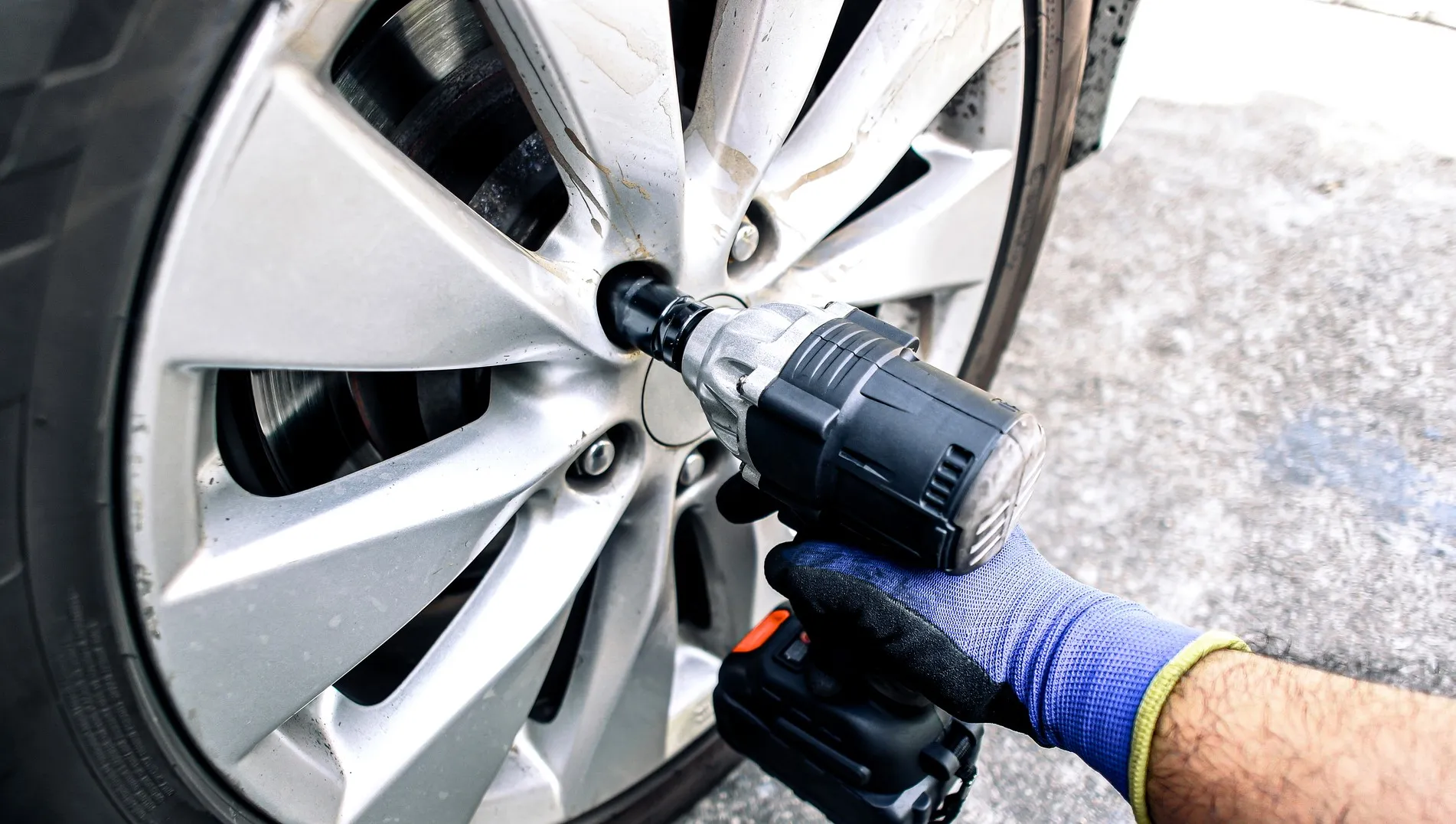
Honda Civic lug nut torque is typically 80 ft-lb (108 Nm) for most generations and trims, including models from the 1970s through the current 11th generation, with some performance variants such as Type R using slightly higher values around 94–95 ft-lb (127–129 Nm). Always confirm torque in the specific vehicle owner’s manual or service information, especially if you run aftermarket wheels or different lug hardware.
Core torque specs
For the vast majority of Honda Civic models (all standard trims, steel and OEM alloy wheels), Honda specifies a lug nut torque of about 80 ft-lb (108 Nm). This value applies across most model years from the early 1970s through the current 10th- and 11th-generation Civics sold in North America.
Torque specification is slightly higher, around 94–95 ft-lb (about 127–129 Nm), for performance-oriented Civic Type R models, likely due to larger studs and performance wheel packages. The higher value is consistently listed for recent Type R models. In contrast, earlier Type R models used the same 80 ft-lb spec as regular Civics.
| Generation | Torque (ft-lb / Nm) | Notes |
|---|---|---|
| All standard trims (1972-2025) | 80 / 108 | Applies to LX, EX, etc. |
| Civic Type R (recent models) | 94-95 / 127-129 | Higher for performance studs |
2020 Honda Civic Sport Hatchback Tire Size (Quick Guide + Fitment Table)
Model and trim overview
Charts summarizing Honda Civic lug nut information from 1972–2025 cite a consistent torque spec of 108 Nm (80 ft-lb) for regular Civic generations (Civic I through Civic XI). The same lug nut reference charts typically list M12 x 1.5 metric thread and 19 mm (3/4 in) hex and ball-seat nuts for regular Civic applications.
Lug spec guides that list Honda models separately verify that nearly all Honda models are 80 ft-lb, including Civic across popular trims and years. Wheel and tire fitment guides for Civics from the late 1980s to the present day also show that non-Type R Civics have used 12 x 1.5 lug nuts exclusively.
| Model Years | Thread Pitch | Hex Size | Seat Type | Torque (ft-lb / Nm) | Bolt Pattern |
|---|---|---|---|---|---|
| 1972-1979 Civic I | M12x1.5 | 19mm | Ball | 80 / 108 | 4x120mm |
| 1980-1983 Civic II | M12x1.5 | 19mm | Ball | 80 / 108 | 4x100mm |
| 1984-1987 Civic III | M12x1.5 | 19mm | Ball | 80 / 108 | 4x100mm |
| 1988-1991 Civic IV | M12x1.5 | 19mm | Ball | 80 / 108 | 4x100mm |
| 1992-1995 Civic V | M12x1.5 | 19mm | Ball | 80 / 108 | 4x100mm |
| 1993-2000 Civic VI | M12x1.5 | 19mm | Ball | 80 / 108 | 4x100mm |
| 2001-2004 Civic VII | M12x1.5 | 19mm | Ball | 80 / 108 | 4x100mm |
| 2005-2012 Civic VIII | M12x1.5 | 19mm | Ball | 80 / 108 | 5×114.3mm |
| 2013-2016 Civic IX | M12x1.5 | 19mm | Ball | 80 / 108 | 5×114.3mm |
| 2017-2022 Civic X | M12x1.5 | 19mm | Ball | 80 / 108 | 5×114.3mm |
| 2023+ Civic XI | M12x1.5 | 19mm | Ball | 80 / 108 | 5×114.3mm |
Torque vs. wheel and lug types
Honda factory steel and aluminum wheels are designed around the OEM ball-seat lug nuts, so the 80 ft-lb spec is based on that seat profile and stud size. When owners install aftermarket wheels with a different lug seat (such as conical-seat aftermarket lugs), the wheel manufacturer’s instructions should be used for that wheel. However, the proper target torque for the same stud size will typically still be around 80–90 ft-lb on passenger cars.
Type R models have larger-diameter studs and specialized wheel packages, which is why their recommended torque is higher at around 94–95 ft-lb. Some high-performance or lightweight aftermarket lug systems for Civics are designed to withstand OEM torque values while shedding unsprung weight. However, proper torque and pattern tightening are still important for safety.
| Wheel/Lug Type | Recommended Torque (ft-lb) | Considerations |
|---|---|---|
| OEM Steel/Alloy (standard) | 80 | Ball seat, M12x1.5 |
| Type R Performance | 94-95 | Larger studs |
| Aftermarket (conical seat) | 80-90 (per mfr.) | Follow wheel instructions |
Practical tightening best practices
Helpful mechanical sources suggest that when torquing lug nuts on a Civic, use a properly calibrated torque wrench, and tighten in a star (criss-cross) pattern to seat the wheel evenly on the hub. Under-torqueing can lead to loosening and vibration, and over-torqueing can stretch studs or distort brake rotors, or otherwise damage aluminum wheels.
| Step | Action | Torque Tool |
|---|---|---|
| 1. Hand-tighten | Star/crisscross pattern | Finger tight |
| 2. Final torque | Even seating on hub | Calibrated wrench to spec |
| 3. Recheck | After 50-100 miles | Same wrench |
After a tire rotation or wheel installation, some people like to re-check lug nut torque after a short drive to ensure no settling or loosening has occurred. And for North American-market cars, first follow the torque spec and units from the owner’s manual or genuine service information, then use online charts as a secondary (backup) reference at best.
Source: www.bonoss.com www.puretyre.co.uk jameshalderman.com sparkyx.ca www.civicxi.com
One thought on “Honda Civic Lug Nut Torque: Complete Chart by Model, Year & Wheel Type”